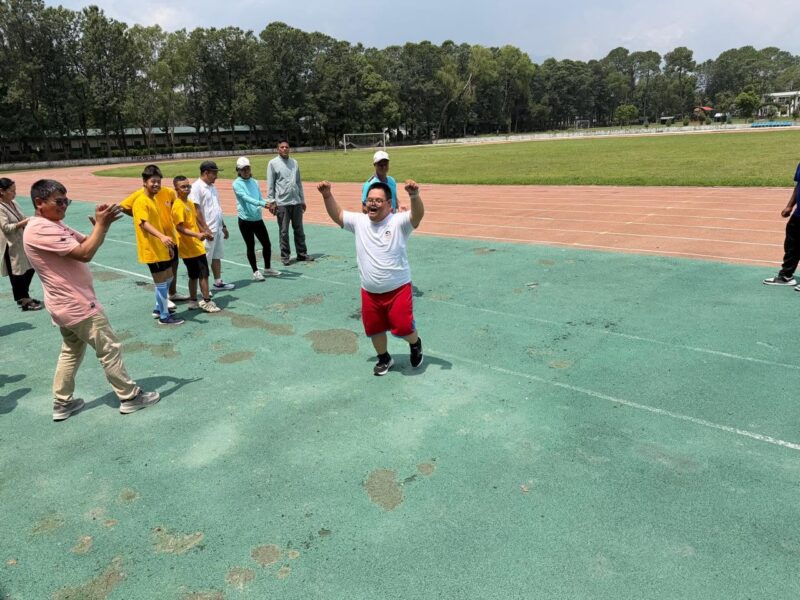
Unified Sports
Athletes with and without intellectual disabilities play together on the same team — building friendship, respect, and mutual understanding.
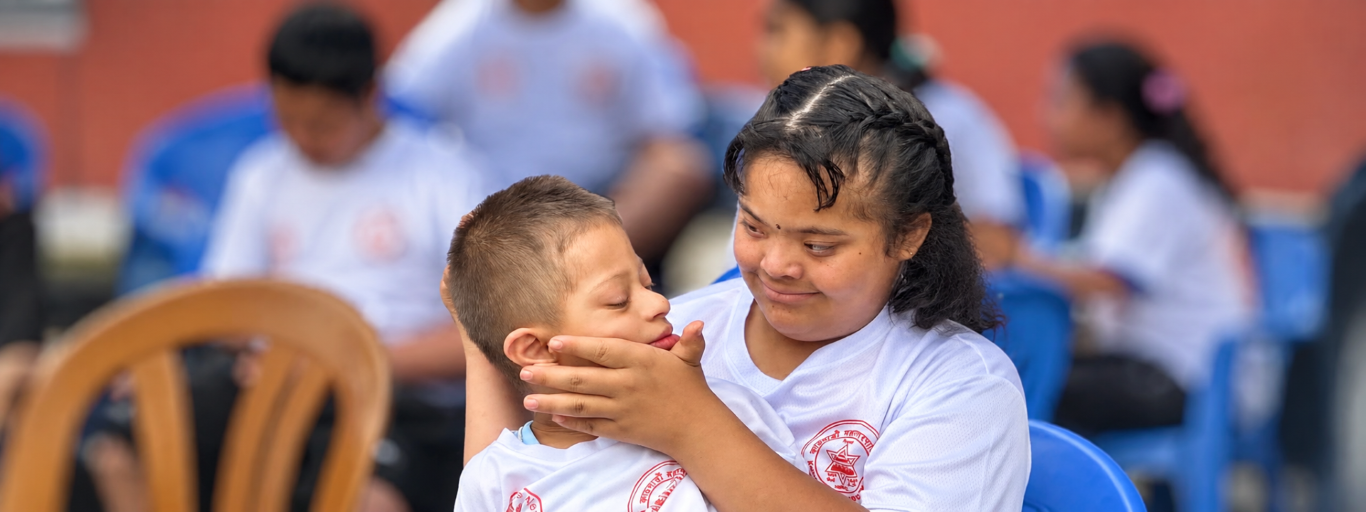
Equal Opportunity, Equal Respect — The Identity of Inclusion
Special Olympics Nepal is a national non-profit organization officially recognized by Special Olympics International and the National Sports Council of Nepal. It provides year-round sports training and athletic competition in a variety of Olympic-type sports for children and adults with intellectual disabilities.
In Nepal, people with intellectual disabilities often face serious social barriers. Special Olympics Nepal is not just about sports; it is about visibility and acceptance. Through our programs, we transform “patients” into “athletes” and “sympathy” into “respect.”
Special Olympics adapts sports and training so that every athlete can participate, learn, and shine. Winning is not the goal — courage, effort, and belonging are. Labels such as mild, moderate, severe, or profound describe support needs, not a person’s worth.
1992
Special Olympics begins in Nepal
1968
First International Games
190+
Countries and territories worldwide
30+
Olympic-type sports
Athletes with and without intellectual disabilities play together on the same team — building friendship, respect, and mutual understanding.
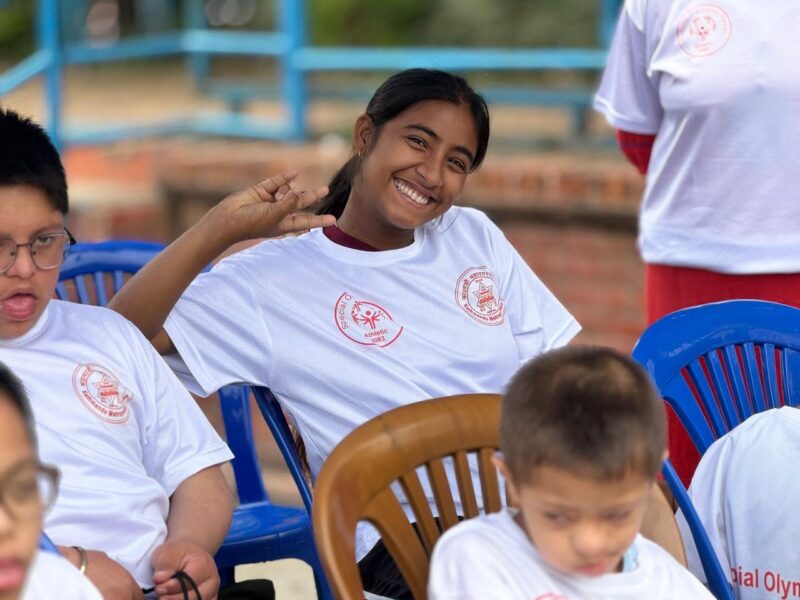
Free screenings and counseling covering eyes, teeth, hearing, feet, physical fitness, and health promotion.
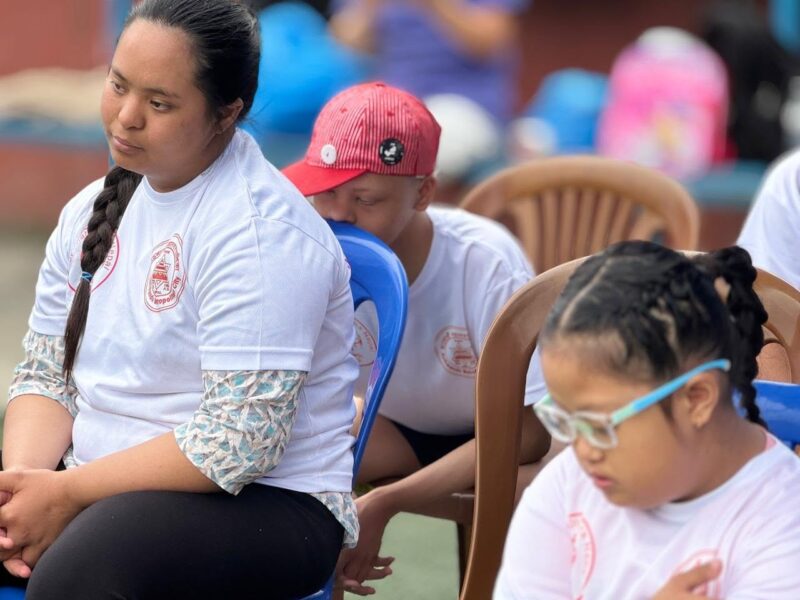
A play-based program for children aged 2 to 7 that builds basic skills and confidence.
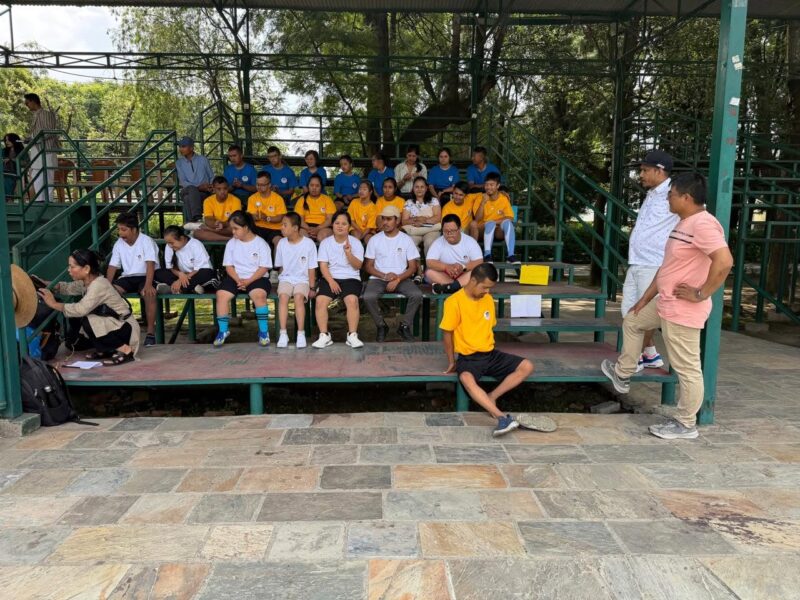
Inclusive sports and activities in schools promote empathy, teamwork, and inclusion among students.
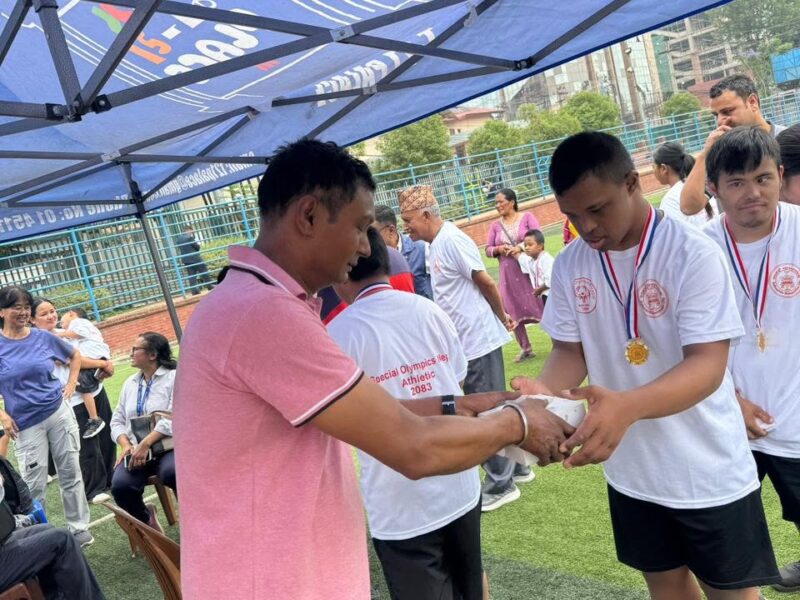
Athletes are given opportunities and training to lead as coaches, officials, and spokespeople.

Respect
People are accepted with respect, not hidden away.
Inclusion
Every child and adult deserves the chance to take part.

Courage
Every attempt is a win. Bravery matters as much as the result.
Joy
Participation itself is a victory worth celebrating.
Partnership
Schools, families, and communities each have a role.
Special Olympics Nepal moves forward when schools, government, businesses, families, and community groups each play a part.
Identify athletes, host programs, and integrate inclusive curricula.
Provide accessible spaces, small grants, and transport support.
Sponsor events, provide equipment, and employ trained athletes.
Recruit volunteers, support training, and share success stories.
Let’s celebrate inclusion. Let’s celebrate diversity in sports.
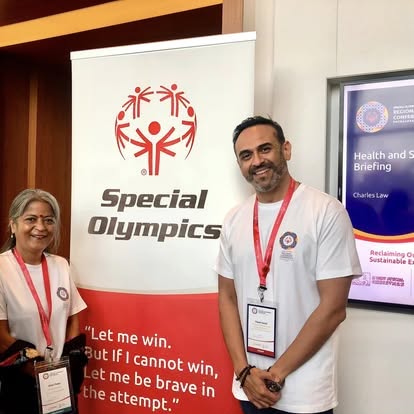
“Let me win. But if I cannot win, let me be brave in the attempt.”
— Eunice Kennedy Shriver, 20 July 1968